“grade filter cup” search results (700)

A comprehensive introduction to Brazilian coffee from the world's boutique coffee producing area
Brazilian coffee generally refers to coffee produced in Brazil. There is a wide variety of Brazilian coffee, the vast majority of which are unwashed and sun-dried, classified according to the name of the state of origin and the port of transport. Brazil has 21 states and 17 states produce coffee, but four of them produce the largest, accounting for 98% of the country's total output. Brazilian coffee has a low sour taste, which goes well with coffee.
2014-09-15 Coffee knowledge coffee origin Brazilian coffee coffee encyclopedia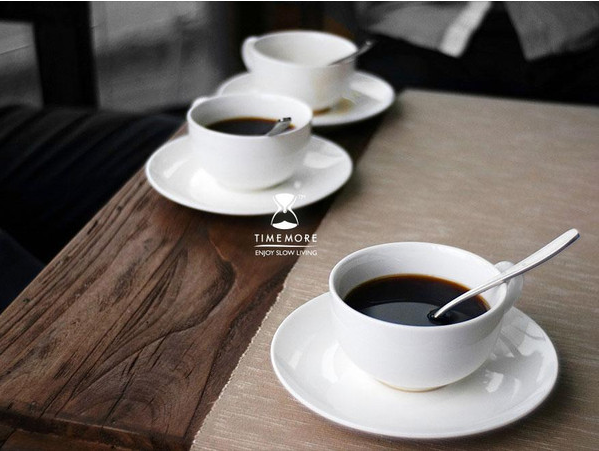
So that's how you drink coffee!
Up to now, you think that if you look like a white collar worker in CBD in Beishang, find a Starbucks on the street in the afternoon, order a cup of Italian or cappuccino, spread out the airbook and sip for a long time, look out the window and look out at the lights and take a picture, accompanied by a few words of dan injury (teng) and moments. This is petty bourgeoisie, even urban hipsters, even if they have coffee taste, even if they have high pressure.
2015-04-25 It turns out coffee so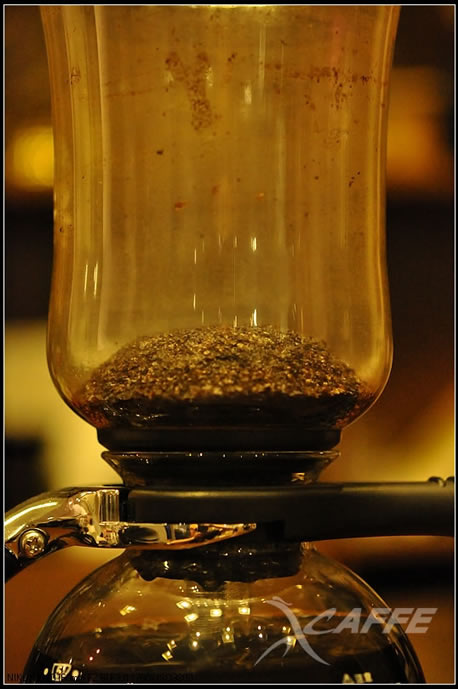
Main points of knowledge of coffee brewing: skills of using siphon pot and analysis of common misunderstandings
Many people like the siphon pot because of its elegant utensils and operation, as well as the tuning of the chemical experiment, watching the magical process of hot water rising slowly from the bottom pot, and every step is in the hands of the maker. Siphon coffee has a strong appreciation and performance when it is made, even if people who do not have much contact with coffee usually have a good impression when watching the production.
2015-12-29 Coffee brewing way knowledge essentials use siphon skills common misunderstandings
Jamaican boutique coffee beans Blue Mountain coffee beans
The American Jamaican Blue Mountain Coffee refers to the coffee brewed by coffee beans from the Blue Mountains of Jamaica. Blue Mountain Coffee is the most superior coffee in the world, with less production and scarcity. The Blue Mountains are located in the east of the island of Jamaica (Jamaica), because the mountain is surrounded by the Caribbean Sea. Whenever the weather is clear, the sun shines directly on the blue sea.
2014-09-16 Jamaican boutique coffee beans Blue Mountain coffee beans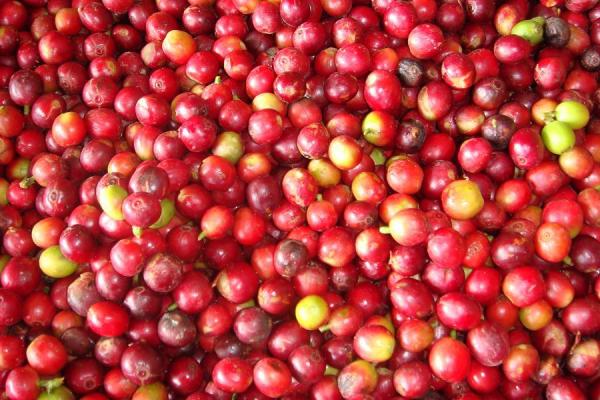
World boutique coffee beans: a detailed introduction to the classification of coffee beans in Brazil
Brazilian coffee generally refers to coffee produced in Brazil. There is a wide variety of Brazilian coffee, the vast majority of which are unwashed and sun-dried, classified according to the name of the state of origin and the port of transport. Brazil has 21 states and 17 states produce coffee, but four of them produce the largest, accounting for 98% of the country's total output. Brazilian coffee has a low sour taste, which goes well with coffee.
2015-12-15 World boutique coffee beans Brazil producing areas species classification details introduction
Turkish coffee, only sugar, no milk
Turkish coffee is a kind of coffee with unusually thick and mellow taste, because it generally uses deep-roasted coffee beans and has not been filtered, so its mellowness is very good, tastes like chocolate and is mixed with a little delicate powder. it can be said to be unique. When drinking Turkish coffee, it is generally customary to have a cup of water. Drinking a sip of water can not only make the taste better.
2014-08-06 Turkey coffee sugar no one taste abnormal thick
The history and usage of siphon pot
In 1840, a glass test tube in a laboratory triggered the invention of siphon coffee (Syphon). The British took the test tube used in Biya's chemical experiment as a model to create the first vacuum coffee pot. Two years later, Mrs. Bachang of France improved the kettle with a little spring in shape, and the familiar upper and lower convection siphon pot was born. Siphon coffee maker in France
2014-07-16 Siphon pot usage of siphon pot history of siphon pot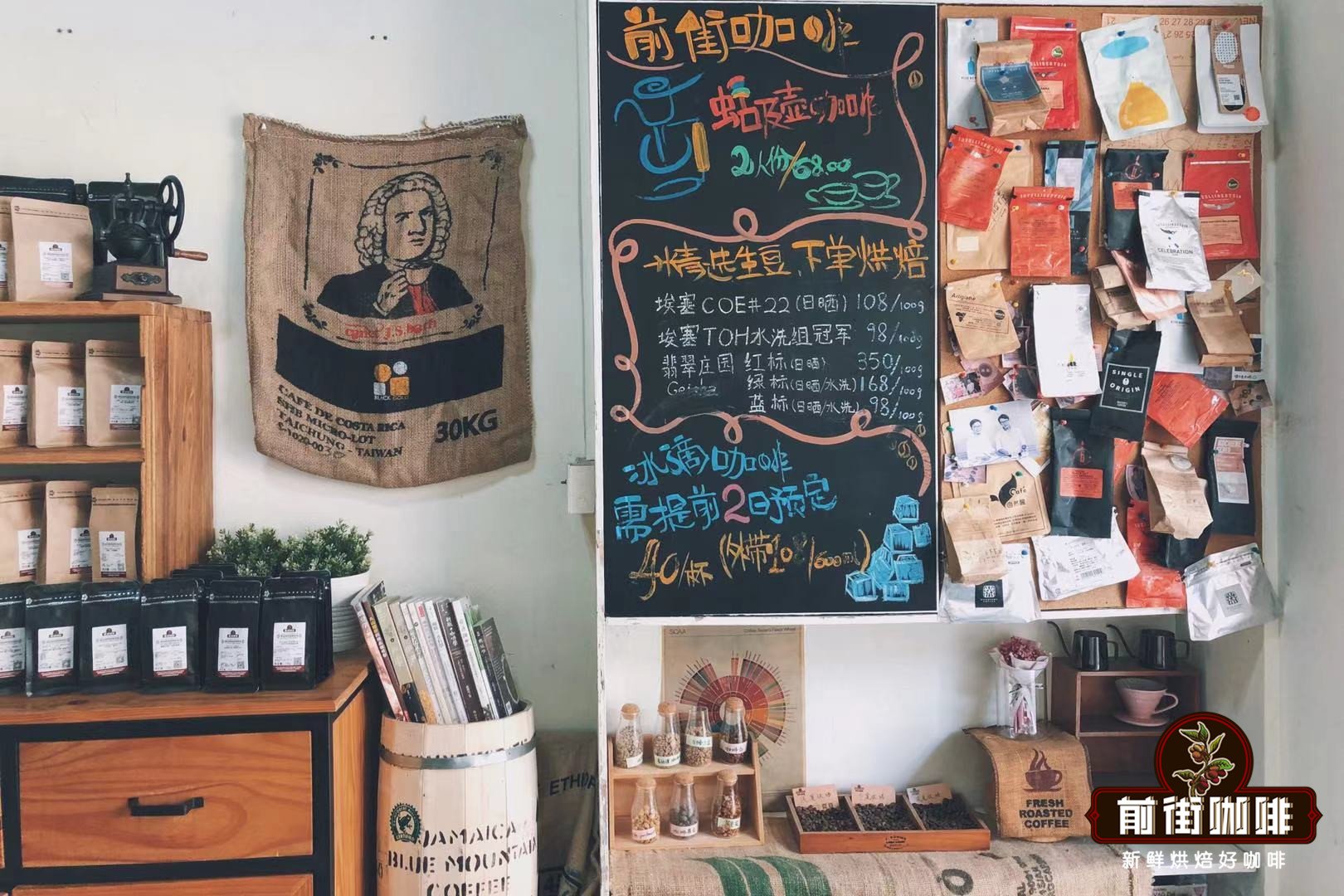
The best coffee beans in Asia, coffee beans, coffee beans, coffee beans
Although Brazil produces 30 to 35 percent of the world's coffee annually, ranking first in the world, no Brazilian bean is considered top-class coffee. Coffee trees abound in the south of Brazil, but only Santos can be brought to the table; most of the other poorly processed beans are used for instant coffee and easy-to-open coffee. Santos Coffee
2016-10-17 Asia Famous Coffee Bean What Brand Best Although Brazil Coffee Annual
Traditional Greek Coffee
The Greeks are a coffee drinker. With plenty of time and a leisurely life, Greek cafes abound. There are three types of coffee in Greece: espresso is strong coffee, cappuccino is hot coffee with milk, and fredo is iced coffee with milk.
2014-08-11 Coffee culture Greek traditional coffee Coffee encyclopedia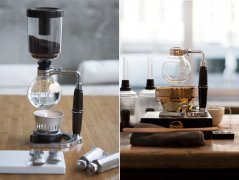
The history and usage of siphon pot
In 1840, a glass test tube in a laboratory triggered the invention of siphon coffee (Syphon). The British took the test tube used in Biya's chemical experiment as a model to create the first vacuum coffee pot. Two years later, Mrs. Bachang of France improved the kettle with a little spring in shape, and the familiar upper and lower convection siphon pot was born. Siphon coffee maker in France
2015-08-28 Siphon history and its usage 1840 one laboratory glass test
History and usage of siphon pot
The history and usage of siphon coffee (plug-in brewing method) in 1840, a glass test tube in the laboratory triggered the invention of the siphon coffee maker (Syphon). The British took Biya's test tube for chemical experiments as the model to create the first vacuum coffee pot. Two years later, Mrs. Bachang of France improved this pot with a bit of spring shape, which is familiar to everyone.
2014-07-29 Siphon pot siphon pot usage coffee utensils
The flavor and taste of Guatemalan boutique coffee beans introduce the characteristics of Latisa Manor.
Vivette Nango, located in the most remote northwest highlands of Guatemala, is the driest and highest coffee area in Guatemala, thanks to the hot air from the Tiwantipe Plain in Mexico, making this area high and not cold. The coffee flavor in this area is typical of very hard beans, with lively and bright sour fruit, sour grapefruit, raspberry and mellow thickness. Viv.
2016-08-05 Aroma highlight Guatemala boutique coffee beans flavor taste manor producing area
The history and usage of siphon pot
In 1840, a glass test tube in a laboratory triggered the invention of the siphon coffee maker (Syphon). The British took the test tube used in Biya's chemical experiment as a model to create the first vacuum coffee pot. Two years later, Mrs. Bachang of France improved the kettle with a little spring in shape, and the familiar upper and lower convection siphon pot was born. Siphon coffee pot in France
2015-10-23 Siphon History usage plug Cooking 1840 one Laboratory Glass
History and usage of siphon pot
The history and usage of siphon coffee (plug-in brewing method) in 1840, a glass test tube in the laboratory triggered the invention of the siphon coffee maker (Syphon). The British took Biya's test tube for chemical experiments as the model to create the first vacuum coffee pot. Two years later, Mrs. Bachang of France improved this pot with a bit of spring shape, which is familiar to everyone.
2015-10-08 Siphon history usage siphon coffee plug cooking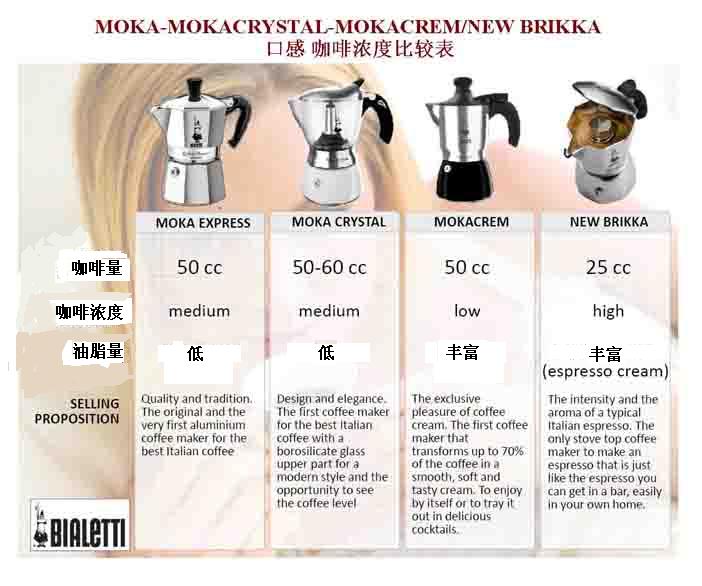
Coffee brewing method: classification and introduction of various coffee pots
Warning: when brewing coffee with various styles of BIALETTI mocha coffee pot, it is strictly forbidden to place filter paper on the filter! The biggest difference between the coffee maker and the coffee maker is that it gives coffee lovers more interaction, initiative, maneuverability and skill. The fixed mode of the machine is replaced by humanized operation, and the coffee is integrated into the passion of the operator. Why do you want to
2015-12-08 Coffee brewing way BIALETTI mocha coffee maker history police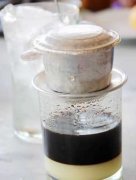
I don't know the bitter taste of coffee.
A few rays of sunlight through the dark green velvet lace curtains, projected on the bamboo rocking chair in the room, pulled out a long oblique shadow, the wooden floor was covered with the unique tan luster of the log, but there were some mottled traces. A white carved bed sheet was scattered softly on the big bed, and the foot of the bed with a corner hanging to the Roman column was not suitable for drinking coffee, such as me. After drinking, there will be palpitations, palpitations,
2015-09-09 Delicious I don't know coffee taste.
Siphon pot basic siphon pot history and use method
In 1840, a glass test tube in the laboratory triggered the invention of the siphon coffee pot (Syphon), and the British took Biya as a prototype for chemical experiments to create the first vacuum coffee pot. Two years later, Mrs. Baxiang of France improved the pot with a little spring shape, and the familiar upper and lower convection siphon pot was born. Siphon coffee pot in France
2014-09-09 Coffee knowledge siphon pot history siphon pot usage
History and usage of siphon pot siphon coffee
In 1840, a glass test tube in a laboratory triggered the invention of the siphon coffee maker (Syphon). The British took the test tube used in Biya's chemical experiment as a model to create the first vacuum coffee pot. Two years later, Mrs. Bachang of France improved the kettle with a little spring in shape, and the familiar upper and lower convection siphon pot was born. Siphon coffee pot in France
2015-07-16 Siphon History usage Coffee 1840 one Lab Glass try
The history and usage of fine coffee siphon pot
In 1840, a glass test tube in a laboratory triggered the invention of siphon coffee (Syphon). The British took the test tube used in Biya's chemical experiment as a model to create the first vacuum coffee pot. Two years later, Mrs. Bachang of France improved the kettle with a little spring in shape, and the familiar upper and lower convection siphon pot was born. Siphon coffee maker in France
2014-10-20 Coffee knowledge boutique coffee science siphon pot coffee brewing
Make Kilimanjaro coffee with the most "wild" characteristics of Africa
Coffee gourmets often use words such as wild or wild to describe Kilimanjaro coffee, which has a unique cocoa aroma and strong glycol. This kind of coffee beans have extraordinary quality. It is one of the top representatives of AA coffee beans in Tanzania, bred by volcanic ash and made by nature. It can be said that the pure Kilimanjaro coffee is the most African coffee.
2014-07-11 Mazaro coffee specialty coffee